
The Athens Marathon the Authentic is like no other on Earth. According to legend, it covers the same ground that the Athenian messenger Phiedippides ran when he brought news of victory from the battlefield of Marathon 2,500 years ago. When you run the Athens Marathon, you run in the very footsteps of the ancient gods and heros that gave birth to western civilization. The finish line is in Athens’ magnificent Olympic Stadium, the birthplace of the modern Olympic Games. Those who run the Athens Marathon say it is an experience they’ll never forget. Among all the Olympic sport events, the Marathon Race stands out as it was born by a true historic and heroic event. The 42,195m Marathon Race became one of the most competitive events during the revival of the Olympic Games in 1896. A Greek athlete named Spyros Louis, running what has ever since been referred to as the Original Marathon Course from the ancient city of Marathon to the Panathenaic Stadium in Athens, won the gold medal of the first modern Olympic Games and became a legend of Greek and International Athletics. The Marathon Race has always had a prominent place in the hearts and minds of sports enthusiasts, as it represents the highest effort where the human body, soul and mind are tested to their limits as the runner presses himself/herself to reach the finish line.
 SEGAS, the Hellenic Athletics Federation, has the honor and the historic responsibility to organize annually the Athens Classic Marathon on the Original Marathon Course. Since 1982, the Athens Classic Marathon has been dedicated to Gregoris Lambrakis, the athlete, scientist and Member of Parliament, who was murdered in the 60s and, after his death, became a symbol of Human Rights. From the year 2011 onwards, OPAP S.A., the leading gaming operator in Greece and one of the major corporations in Greece and Europe, has been nominated Grand Sponsor of the event and its valuable support led to the significant upgrade of the race in all aspects. Thousands of runners from all over the world are expected to participate in every year’s race. Apart from the sporting experience, they will have the chance to enjoy the traditional Greek hospitality, discover the fascinating landscape of our country and explore a city which is constantly improving its standards.
The 42th Athens Authentic Marathon will be held on the weekend of November 9 / 2025
- The Marathon Race is open to participants 18 years old (born in 2007) or older. The age of the runners is calculated from the year of birth (not the calendar year).
- The Marathon Road Race will start at 9.00am.
- A time limit of eight (8) hours has been set for completion of the Marathon.
- All finishes will be completed by 17:42′ including the time delay of all consecutive starts.
The Athens Marathon is recognized as the original marathon course and it was the same course used in the 2004 Olympics held in Athens.
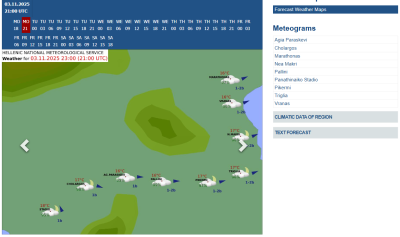
HNMS ( Hellenic National Meteorological Service ) supports the Athens International Marathon with general weather forecast of the greater Athens area (Attica)
See the weather forecast in text here
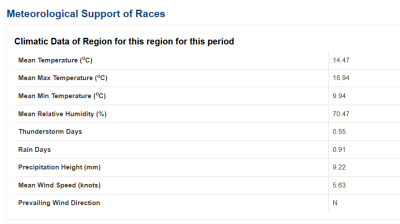
Climatic Data of Region for this region for this period
ANDROID APPLICATION
🏛️ Historical Background — From Legend to the Modern Marathon
The Athens Marathon commemorates one of the most iconic moments in world history — the legendary run of the messenger from the Battle of Marathon (490 BC) who carried the news of victory to Athens. While Herodotus, writing just a few decades later, did not mention this specific run, later authors such as Heraclides Ponticus, Lucian, and Pausanias recorded various versions, naming the messenger Thersippos, Eukles, Philippides, or Pheidippides. Ancient hemerodromoi (day-runners) were professional couriers trained to cover vast distances across rough terrain, often running armed, to deliver critical wartime messages.
One legendary example, Euchidas, reportedly ran 200 km from Plataea to Delphi and back in a single day to bring back sacred fire after the Greek victory over the Persians. These feats were considered common in antiquity, but awe-inspiring today. The modern Olympic Marathon (42.195 km) was inspired by this ancient legend. It was introduced at the 1896 Athens Olympic Games by Michel Bréal of the Sorbonne, a close friend of Pierre de Coubertin, to honor the spirit of the ancient messenger. In Greek folklore, the myth evolved further — stories say that as the messenger approached Athens, women cried out “Stop!” (“Stamata!”), giving name to the village of Stamata, while nearby Psychiko (“Soul Place”) marked where he is said to have drawn his last breath. Though historians debate the literal truth of the messenger’s death, his symbolic act — running for victory, peace, and communication — endures.
The Athens Authentic Marathon thus represents not only a race but a journey through history, endurance, and human spirit, connecting ancient heroism with the modern athletic ideal.